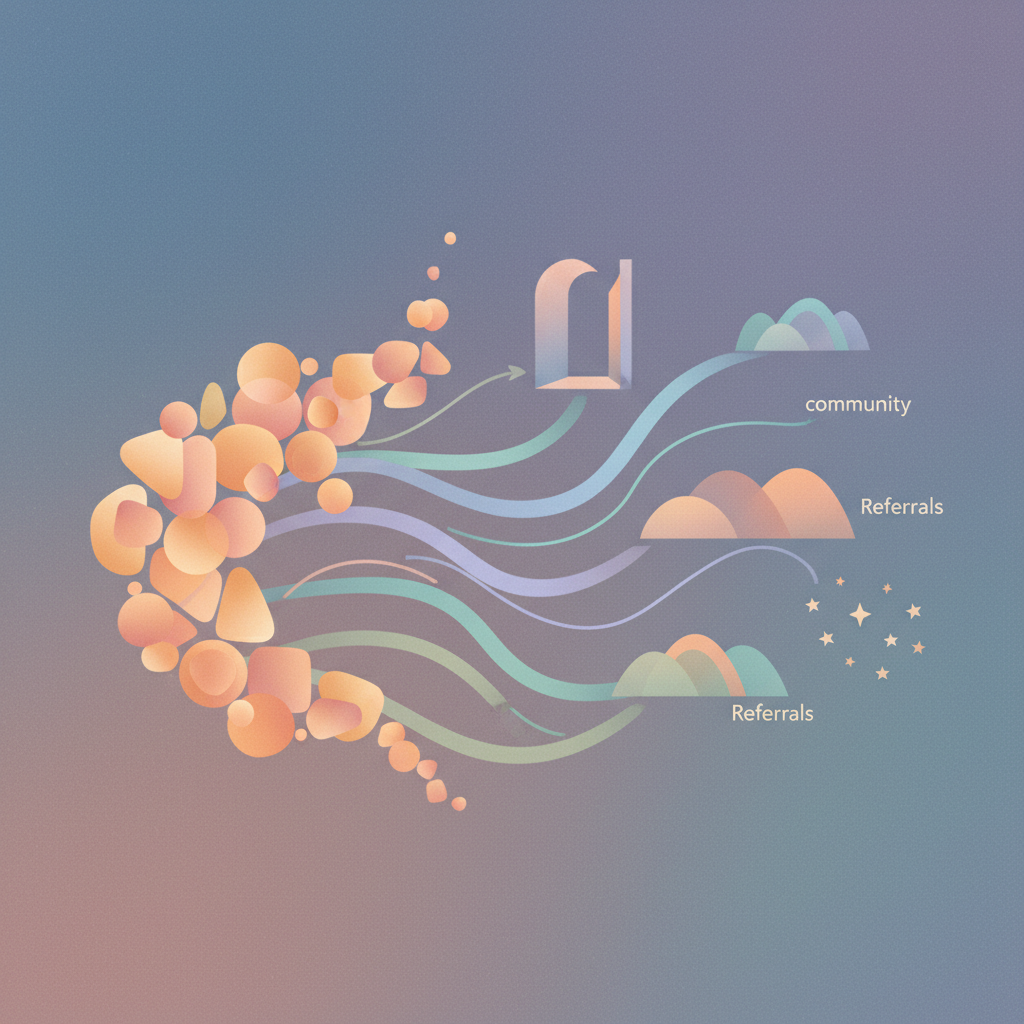
Many freelance designers believe social media is the only viable path to finding clients. They spend hours curating feeds, chasing likes, and hoping an algorithm favors their latest post. This is a myth. Social media can be a valuable tool, but it is not a prerequisite for building a thriving freelance design business. In fact, relying solely on social media often leads to feast-or-famine cycles and attracting the wrong kind of client.
The Problem with Social Media as a Client Acquisition Strategy
Social media platforms are designed to keep users engaged, not necessarily to connect service providers with ideal clients efficiently. As a designer, you're competing with endless content streams, and the lifespan of a post is fleeting. Building an audience takes consistent, often unpaid, effort. Furthermore, the clients you attract through these channels are often price-sensitive, focused on quick turnarounds, and less invested in a long-term professional relationship. They are looking for a commodity, not a partner.
Your time is better spent on activities that directly contribute to your bottom line and attract clients who value your expertise. This means shifting from an "audience-building" mindset to a "client-finding" one.
Direct Outreach: Targeted and Personal
The most straightforward way to find clients is to go directly to them. This isn't about spamming inboxes; it's about thoughtful, personalized outreach to businesses you genuinely want to work with. Start by identifying companies or individuals whose design needs align with your skills and interests. Look for those who are growing, launching new products, or seem to be undergoing a brand refresh.
Research their existing brand, website, and marketing materials. Identify specific areas where your design expertise could make a tangible difference. Then, craft a concise, compelling message that highlights how you can solve a particular problem for them. Focus on their needs, not just your portfolio. Show, don't just tell, how your work will benefit their business.
This approach requires more upfront research but yields higher-quality leads. You control the conversation, and you're speaking directly to decision-makers.
Professional Networks and Referrals
Your existing professional network is an untapped goldmine. Let people know you're available for work. This includes former colleagues, old bosses, and even past clients. Word-of-mouth referrals remain one of the most powerful marketing tools for any service business. People trust recommendations from those they know.
Actively nurture these relationships. Check in periodically, offer help where you can, and always deliver excellent work so that clients are eager to recommend you. Consider offering a small referral bonus to incentivize others to send business your way. This isn't desperate; it's smart business.
Beyond your immediate network, explore professional organizations, both online and offline, that cater to your niche or target client industries. Attend virtual or in-person events where your ideal clients might be. Engage in conversations, offer insights, and build genuine connections. The goal is to be top-of-mind when a design need arises.
Strategic Partnerships
Look for complementary businesses that serve the same clients but offer different services. These can include copywriters, developers, marketing consultants, photographers, or business coaches. Establish reciprocal referral relationships. When they encounter a client who needs design work, they send them to you, and vice-versa.
These partnerships are built on mutual trust and shared understanding of client needs. They provide a steady stream of qualified leads because the referring partner has already vetted the client and understands their requirements. This is a long-term strategy that pays dividends over time, building a robust network of trusted collaborators.
The bottom line
You do not need to dance for algorithms or create endless short-form video content to find good design clients. By focusing on direct, personalized outreach, nurturing your professional network for referrals, and building strategic partnerships, you can create a sustainable client acquisition system that prioritizes quality over quantity. These methods are slower, more deliberate, and ultimately more rewarding for a solo design business.
The full system for building an AI-assisted design business, including detailed strategies for client acquisition and workflow, lives in The Connected Studio field manual: https://connectedstudio.app/.